Multi-Factor Authentication (MFA) for VPN is a way to add an extra layer of protection to VPN logins to prevent hackers from accessing your account
NTLM vs. Kerberos: What’s the Difference?
The main difference between NTLM and Kerberos is that NTLM is a challenge-response protocol used during workgroup and local authentication, whereas
Enable or Disable Manage Devices Per Application
You can now enable or disable Manage Devices for all users who log in to a particular application. Introducing the latest in the Rublon Admin
Rublon Adds Roles to the Admin Console
Today we added a much-desired Role-Based Access Control (RBAC) feature to the Rublon Admin Console’s Administrators tab: Administrator Roles. As of

10 Top Tips to Prevent Phishing Attacks
Phishing attacks are a group of malicious scams devised to steal user data such as login credentials and credit card numbers. Phishing attacks are one

Security Key MFA Stops Phishing Attack on Cloudflare
Malicious actors launched a targeted phishing attack on Cloudflare’s employees. The attackers managed to trick some employees into opening a link to a
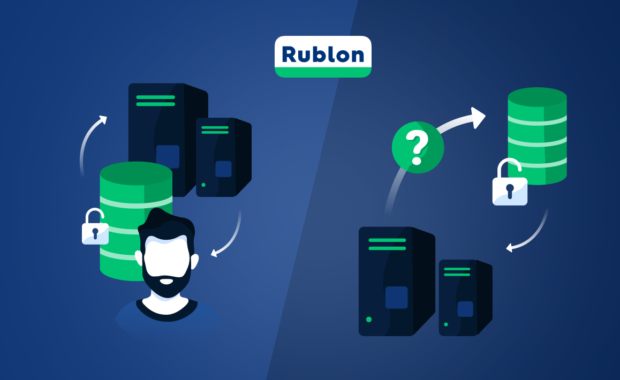
LDAP vs. Active Directory: What’s the Difference?
LDAP and Active Directory are two common terms in Identity and Access Management (IAM). Some people use them interchangeably. Nevertheless, they are

What Is Single-Factor Authentication (SFA)?
Single-Factor Authentication (SFA or 1FA) is a weak type of authentication that requires demonstrating only one proof of identity - most often a

How Does MFA Prevent Account Takeover Attacks?
If current trends persist, account takeover (ATO) attacks and ransomware attacks are likely to surpass malware as the cyberthreat of greatest concern.