
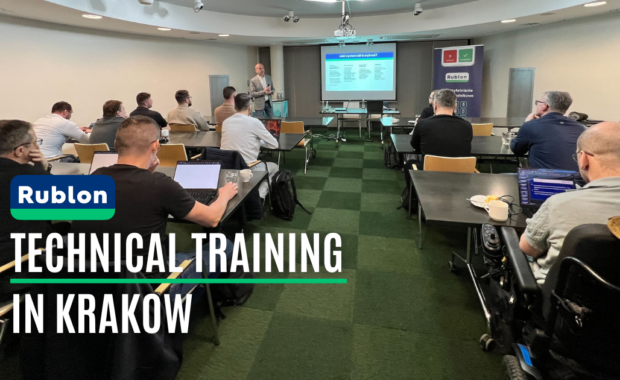
On March 9, 2026, another technical training session for Rublon Partners took place in Krakow, Poland. The event brought together representatives of
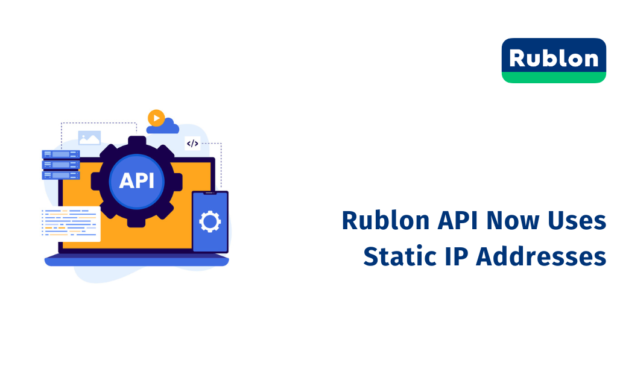
Rublon API Now Uses Static IP Addresses
We have introduced static IP addresses for the Rublon API endpoint core.rublon.net. This change makes firewall and network configuration for Rublon
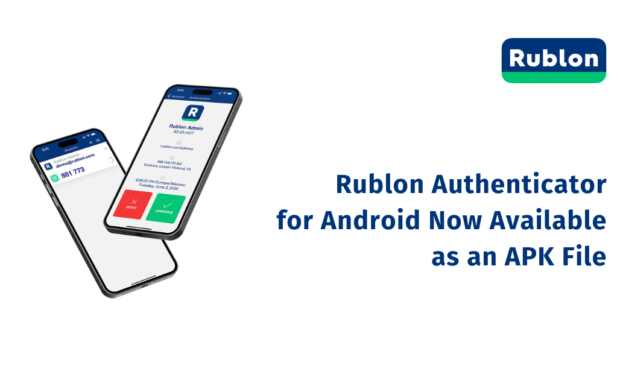
Rublon Authenticator for Android Now Available as an APK File
We’ve made Rublon Authenticator for Android available as a direct APK download. This new download option is designed for organizations and users

Which Industries Require Two-Factor Authentication (2FA)?
Two-Factor Authentication (2FA) is no longer just a “recommended” security measure. Across industries such as finance, healthcare, government,
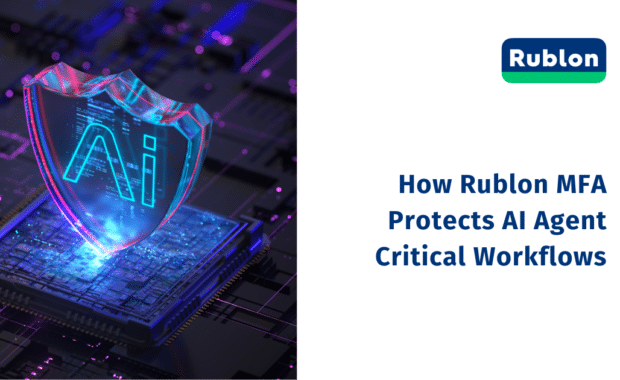
How Rublon MFA Secures AI Agent Critical Workflows
Modern AI agents are becoming part of everyday business operations, handling everything from routine REST calls to sensitive data processing, action
Geolocation‑Based Multi‑Factor Authentication (MFA)
Geolocation-based multi-factor authentication (MFA) allows organizations to strengthen identity security and enforce conditional access rules based on

Federated Identity Management vs. Single Sign-On (FIM vs. SSO)
The main difference between Federated Identity Management (FIM) and Single Sign-On (SSO) is that FIM enables users to access services across multiple

SHA-3 vs. SHA-2 vs. SHA-1 vs. MD5: What’s the Difference?
SHA-3, SHA-2, SHA-1, and MD5 are cryptographic hash functions, which are mathematical algorithms that transform data into a fixed-size string of

Digital Europe Programme 2026: How to Obtain EU Funding for MFA Implementation
The Digital Europe Programme (DIGITAL) is the European Union's flagship initiative for 2021-2027, which aims to support the digital transformation of